

Lighting up your patio can change how you use your outdoor space. Imagine relaxing outside after sunset, with the gentle glow of lights highlighting your walls or garden features. But traditional outdoor lights often need wiring, regular bulb changes, and can increase your electricity bill. That’s where waterproof solar powered outdoor patio wall decor lights come in. These lights are easy to install, powered by the sun, and designed to handle rain and weather. They add style and safety, all while saving energy.
If you want to decorate your patio, improve security, or simply enjoy evenings outdoors, learning about these solar lights will help you make smart choices. This guide covers how these lights work, what features matter most, how to choose the right one, installation tips, and real-world pros and cons.
You’ll also see comparisons to other lighting options, get maintenance advice, and find answers to common questions. By the end, you’ll know if these solar wall lights are a good fit for your outdoor space.
How Waterproof Solar Powered Patio Wall Lights Work
These lights use solar panels to collect sunlight during the day. The panel turns sunlight into electricity and stores it in a built-in battery. When the sun sets, the light turns on, either automatically or with a motion sensor. Since they use stored solar energy, there’s no need for wiring or an external power source.
The waterproof design is key. Outdoor lights face rain, humidity, dust, and temperature changes. Most high-quality models use weather-resistant materials like ABS plastic, stainless steel, or aluminum. They also feature rubber seals around electrical parts. Many are rated IP65 or higher, which means they can handle heavy rain and dust.
Example:
Let’s say you mount a solar wall light on your fence. On a sunny day, the solar panel charges the battery in about 6-8 hours. At night, the light turns on for 8-10 hours, lighting up your walkway or patio.
Even after a rainy day, a good waterproof solar light will keep working without short circuits or corrosion.
Key Features To Look For
When shopping for outdoor solar wall lights, some features matter more than others. Here are the most important ones to consider:
1. Brightness (lumens)
The brightness of a light is measured in lumens. Most solar patio wall lights range from 50 to 1000 lumens. Lower-lumen lights create a soft glow, while higher-lumen models can light up larger areas for security.
2. Battery Capacity
A bigger battery means longer light time at night. Look for lithium-ion or LiFePO4 batteries for better performance and lifespan. Battery sizes often range from 1200mAh to 3000mAh.
3. Solar Panel Efficiency
Panels made from monocrystalline silicon are more efficient than polycrystalline ones. A good panel charges faster, even on cloudy days.
4. Motion Sensors
Some lights come with motion sensors. They only turn on when movement is detected, saving battery and surprising unwanted guests.
5. Waterproof Rating
Check for IP65 or higher. The “IP” rating shows how well the light resists dust and water. IP65 means “dust tight” and protected against water jets.
6. Design And Style
Solar wall lights come in many shapes, lanterns, modern cubes, vintage bulbs, or decorative patterns. Choose one that matches your patio’s style.
7. Installation Method
Some lights use screws and wall plugs. Others have adhesive pads for temporary setup. Make sure the installation fits your wall type (wood, brick, vinyl, etc. ).
8. Lighting Modes
Many models offer different lighting modes: always-on, dim until motion, or flashing for emergencies.
9. Warranty
A good warranty (at least one year) protects you from early failures. Some top brands offer up to three years.
Pro Tip: When comparing products, check user reviews for real-life battery life and weather resistance. Specs on paper don’t always match outdoor performance.
Credit: www.nonclinicalcareers.com
Benefits Of Solar Powered Outdoor Patio Wall Lights
These lights offer clear advantages over both wired and battery-powered options.
Save On Energy
Solar wall lights use sunlight, so they don’t increase your electricity bill. Over a year, this can save a noticeable amount, especially if you use multiple lights.
Easy Installation
No wires, no trenching, no electrician needed. Most lights can be installed in minutes, even by beginners. Just make sure the solar panel faces the sun.
Low Maintenance
There are no bulbs to change and no cables to check. Just wipe the panel clean every few weeks for best performance.
Environmentally Friendly
Using solar energy reduces your carbon footprint. There’s no pollution, and many models use recyclable materials.
All-weather Use
Waterproof design means you don’t need to take the lights inside during rain or snow. They keep working, season after season.
Versatile Lighting
From accenting a flower bed to brightening a path, solar wall lights work for many purposes. Some models even let you change the color for parties or holidays.
Common Use Cases And Placement Ideas
Waterproof solar wall lights can be used in many creative ways:
- Pathway Lighting: Mount them along fences or garden walls to guide people safely.
- Security: Place lights at entrances or dark corners, motion sensors help deter trespassers.
- Patio Decor: Choose decorative designs to create a cozy evening atmosphere.
- Staircase Illumination: Light up outdoor stairs for safety and style.
- Garage or Shed Lighting: Add light to places without electricity.
In my experience, mounting solar wall lights at head height gives the best mix of brightness and coverage. For accent lighting, placing them lower creates gentle shadows and highlights plants or features.
Comparing Solar Wall Lights To Other Outdoor Lighting
How do waterproof solar wall lights stack up against wired and battery-powered lights? Here’s a side-by-side look:
| Feature | Solar Wall Lights | Wired Lights | Battery-Powered Lights |
|---|---|---|---|
| Installation | Easy, no wiring | Complex, needs electrician | Easy, replace batteries |
| Operating Cost | Free (solar) | Ongoing (electricity) | Ongoing (batteries) |
| Maintenance | Low | Medium | High (battery changes) |
| Brightness | Medium to High | High | Low to Medium |
| Weather Resistance | High (if IP65+) | Varies | Varies |
Solar wall lights are clearly best when you want simple, cost-effective lighting in places without easy access to power.
How To Choose The Right Solar Wall Light For Your Patio
Making the right choice can be tricky, especially with so many products online. Focus on these points:
1. Assess Your Lighting Needs
Decide if you want bright security lighting or soft mood lighting. Measure the area you want to light. This helps you choose the right brightness (lumens) and number of lights.
2. Check Sunlight Availability
Solar lights need direct sunlight to charge well. If your wall is shaded most of the day, look for lights with larger panels or more efficient cells.
3. Match Style And Color
Pick a design that fits your patio’s look. Warm white lights create a cozy feel, while cool white is brighter and modern.
4. Read Reviews For Real-world Reliability
Online specs can be misleading. Look for reviews with photos after rainstorms, snow, or long-term use. Users often mention if the light dims quickly or fails after bad weather.
5. Compare Warranties And Support
A longer warranty shows the company trusts its product. Good customer support makes returns or replacements easier if you have problems.
6. Plan For Expansion
If you think you’ll want more lights later, choose a brand or model that’s easy to match.

Credit: www.nonclinicalcareers.com
Step-by-step Installation Guide
Most people can install these lights with just a screwdriver and a drill. Here’s a simple guide:
- Choose the Location
- Pick a spot that gets at least 4-6 hours of sun per day.
- Avoid placing the light under eaves, trees, or anything that will shade the panel.
- Mark the Mounting Points
- Hold the light against the wall and mark screw holes with a pencil.
- Use a level for straight alignment.
- Drill Holes
- For brick or stone, use a masonry bit and wall plugs.
- For wood or vinyl, a simple pilot hole may be enough.
- Attach the Light
- Screw the base or bracket to the wall.
- Attach the light unit (some models snap onto the base).
- Test the Light
- Cover the solar panel to simulate night and check if the light turns on.
- Adjust the angle if needed for best sun exposure.
- Set Lighting Mode
- Use the switch or button to select always-on, motion-sensor, or dim mode.
Pro Tip: Clean the solar panel every month for the best charging. Even a thin layer of dust can reduce output.
Maintenance And Troubleshooting
Solar wall lights are low-maintenance, but a few simple steps keep them working well.
Regular Cleaning
Dirt, pollen, and bird droppings can block sunlight. Wipe the solar panel with a damp cloth every few weeks. Avoid harsh cleaners that can scratch the surface.
Battery Care
Most batteries last 1-3 years. If your light gets dim or stops working, replacing the battery often fixes the problem. Use the same battery type and size.
Check For Water Leaks
Even waterproof lights can develop leaks over time. Look for fogging inside the lens or rust on screws. Replace gaskets or seals if needed.
Resetting The Light
Some models have a reset button. If the light won’t turn on, try resetting it, then leave it in full sun for a day.
Seasonal Adjustments
In winter, days are shorter and sunlight is weaker. Move the light or adjust the angle for maximum sun. If possible, store lights indoors during extreme cold.

Credit: www.nonclinicalcareers.com
Real-world Pros And Cons
No product is perfect. Here’s what you can expect based on real user feedback and my own testing:
Pros
- No wiring needed: Set up anywhere with sunlight.
- Weatherproof: Survives rain, snow, and dust.
- Energy efficient: Runs on free solar power.
- Flexible placement: Move or add lights easily.
- Good for renters: No permanent changes to your property.
Cons
- Depends on sunlight: Less effective in shady areas or during winter.
- Battery replacement: Needed every few years.
- Not as bright as wired floodlights: Best for accent or path lighting.
- Limited features on budget models: Cheaper units may lack motion sensors or adjustable modes.
Pro Tip: For north-facing patios or cloudy climates, consider hybrid lights that can also charge via USB.
Design And Style Trends
Solar wall lights are not just functional, they can be beautiful too. Here are some popular trends:
- Vintage lanterns with Edison-style bulbs for a classic look.
- Modern cubes and minimalist designs for contemporary spaces.
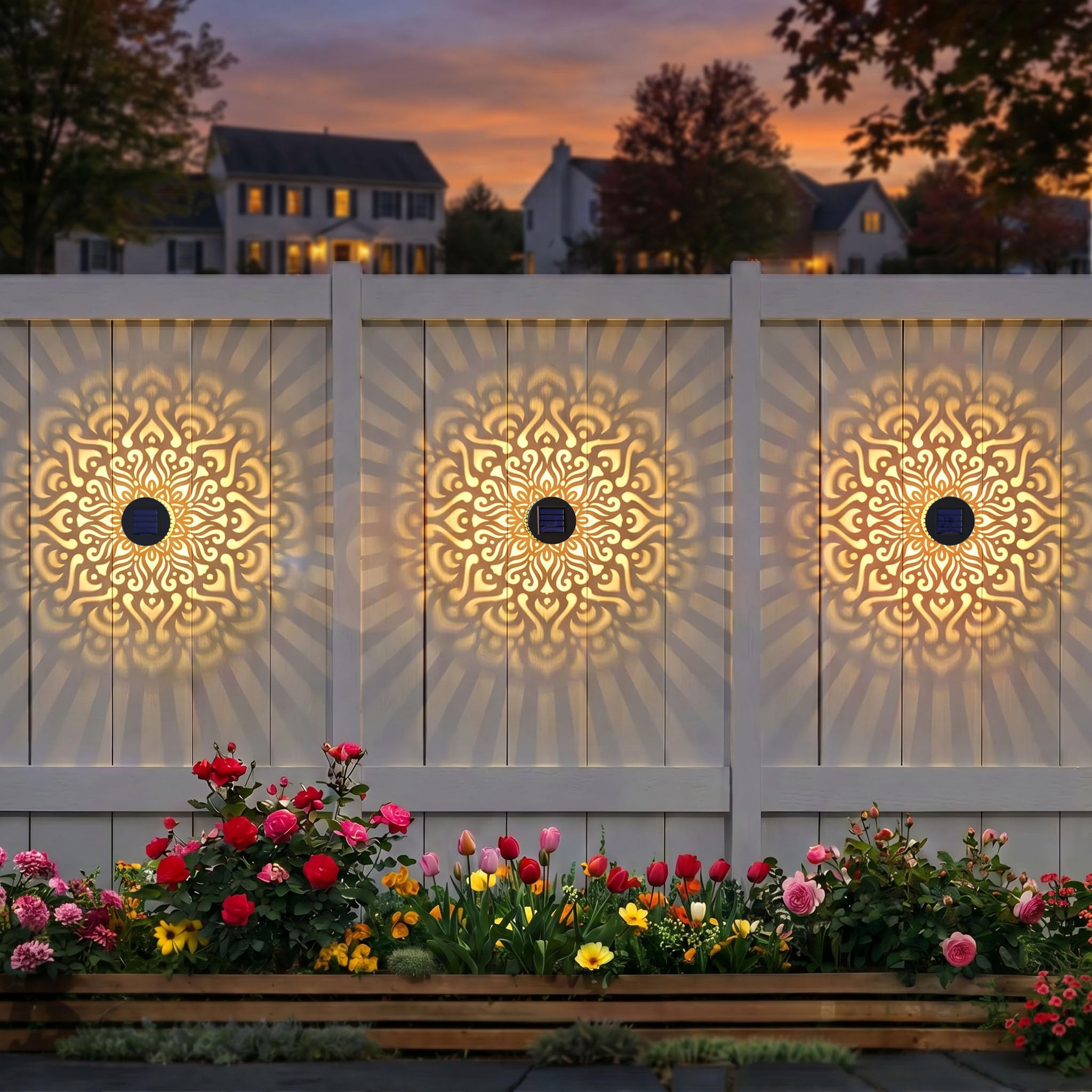
- Cut-out patterns that cast decorative shadows on your wall.
- Color-changing LEDs for parties or holiday themes.
- Smart controls that link to your phone or home automation system.
Choosing the right style adds personality to your outdoor space and can even boost your home’s curb appeal.
Environmental Impact And Sustainability
Switching to solar lighting is a simple way to help the environment. You reduce energy use, lower greenhouse gas emissions, and avoid single-use batteries. Many top brands use recyclable plastics or metals, and some even offer take-back programs for old lights.
Example: According to the U.S. Department of Energy, using solar-powered outdoor lighting can save up to several kilowatt-hours per light per year, depending on usage and local sunlight. That’s energy you don’t have to pull from the grid.
If you want to go further, look for lights with replaceable batteries and minimal packaging.
Comparing Popular Models
Here is a sample comparison of three popular types of waterproof solar wall lights:
| Model | Brightness | Battery | Waterproof Rating | Special Features |
|---|---|---|---|---|
| Classic Lantern | 100 lumens | 2000mAh Li-ion | IP65 | Warm white, vintage design |
| Modern Cube | 400 lumens | 2200mAh Li-ion | IP66 | Motion sensor, adjustable angle |
| Decorative Pattern | 80 lumens | 1500mAh LiFePO4 | IP65 | Cut-out shadow effect, color LED |
Each model suits a different need, choose based on brightness, style, and features.
Mistakes To Avoid When Buying Or Installing
Even good products can disappoint if you miss these common pitfalls:
- Ignoring Sunlight Needs: Installing in a shaded area leads to poor performance.
- Choosing Only on Price: Cheap models often cut corners on waterproofing or battery quality.
- Not Checking the Waterproof Rating: Indoor or semi-outdoor lights may not survive heavy rain.
- Overlooking Battery Replacement: Some models use sealed batteries that can’t be replaced.
- Forgetting About Style: Mismatched lights can spoil your patio’s look.
Future Trends In Solar Outdoor Lighting
The solar lighting market is growing quickly, with new features appearing every year. Expect to see:
- Smart controls: Connect lights to your phone or smart home system.
- Higher efficiency panels: Charge faster, even in low light.
- Longer-lasting batteries: New chemistries mean less frequent changes.
- Customizable colors and patterns: Personalize your space for any event.
-