

Motion Sensor Light Wireless Led Night Lights: The Complete Guide
Lighting plays a bigger role in our lives than many people realize. It helps us see, keeps us safe, and can even affect how we feel at home. But what if you could have light only when you need it, without flipping switches or running wires? That’s where motion sensor light wireless LED night lights come in. These clever devices are changing how people light up their homes, making things safer, more convenient, and even helping save on energy bills.
If you want to avoid stumbling in the dark, help kids feel safer at night, or make your hallway or bathroom easier to use, motion sensor LED night lights could be your answer. This guide will explain what they are, how they work, the benefits, common uses, and how to choose the right one.
You'll also find comparisons, practical tips, and answers to questions people often ask but rarely see covered.
What Are Motion Sensor Light Wireless Led Night Lights?
Motion sensor LED night lights are small, battery-powered devices that use a motion sensor to detect movement. When you walk by, they turn on automatically. After a set time with no motion, they turn off again. The LED (light-emitting diode) part means they use very little energy, so batteries last a long time. Because they're wireless, you can put them almost anywhere, even where there's no outlet.
These lights usually have a passive infrared sensor (PIR) that senses body heat and movement. Some also include a light sensor, so they only turn on when it's dark. Most are designed to be easy to stick on walls, stairs, cabinets, or closets.
How Motion Sensor Night Lights Work
When you enter the room or walk by the light, the motion sensor notices the change. It sends a signal to the LED, which turns on. After a short period (often 15-60 seconds) without motion, the light shuts off automatically. This process means you get light only when you need it.
Some models allow you to adjust the sensitivity (how easily they turn on), the brightness, or the time they stay lit. Others are very simple, just stick them on, and they work.
Benefits Of Using Wireless Motion Sensor Led Night Lights
Safety And Accident Prevention
Walking around in the dark can be risky, especially for children, older adults, or anyone with mobility issues. Motion sensor night lights help prevent trips and falls by lighting up hallways, stairs, and bathrooms. You don’t have to search for a switch or worry about leaving lights on all night.
Convenience And Hands-free Operation
If your hands are full, or you wake up in the night, it's nice to have lights turn on automatically. With wireless night lights, you don’t need to remember to turn them off either, they handle everything for you.
Energy Efficiency
Because they use LEDs, these lights use much less energy than traditional bulbs. They only turn on when needed, so batteries last longer and you don’t waste electricity. This is especially helpful for families who want to lower their power bills.
Easy Installation And Versatility
Wireless means you can put these lights almost anywhere, no need for wires, outlets, or tools. Many have adhesive pads or magnets, so you can move them if you change your mind about where you want light.
Improved Sleep Quality
Bright room lights at night can disrupt your body’s natural sleep cycle. Motion sensor LED night lights are dim enough to avoid waking you fully but bright enough to keep you safe. Some models even offer soft, warm colors to help you get back to sleep easily.
Common Uses For Motion Sensor Wireless Led Night Lights
Hallways And Stairs
A dark hallway or staircase is a common place for falls. Placing motion sensor lights along the steps or hallway walls can light up your path automatically, making nighttime trips much safer.
Bathrooms
Finding the bathroom at night without turning on bright overhead lights is easier with a motion sensor night light. It gives enough light to see, but not so much that it wakes you up fully.
Children’s Rooms
Kids often feel safer with a gentle night light. Motion sensor models mean the light is only on when someone is moving, so it saves battery and isn’t too distracting.
Closets And Cabinets
Closets and cabinets can be dark, making it hard to find what you need. A wireless LED night light inside the door lights up the space when you open it, then turns off when you’re done.
Kitchens
Nighttime trips to the kitchen often require just a bit of light. These lights can be placed under cabinets or near the floor to guide you without needing to use bright main lights.
Entryways And Garages
Coming home after dark can be tricky. A wireless motion sensor light by the door or in the garage makes it easy to see where you’re going and find your keys.
Elderly Care
In my experience helping older family members, placing motion sensor lights in bedrooms and bathrooms was one of the simplest ways to reduce nighttime accidents. These lights provide gentle, automatic illumination that helps seniors stay independent and safe.
Key Features To Look For
Not all motion sensor night lights are created equal. Here are some features that matter most when choosing one:
Battery Life
Good wireless models should last several months or even up to a year before changing batteries, depending on usage. Check for LED efficiency and battery type (AA, AAA, rechargeable, etc.).
Detection Range And Angle
The sensor’s range tells you how far away it can detect motion (often between 10 and 20 feet). The angle (measured in degrees) shows how wide an area it covers. Wider angles mean the light will pick up movement from more directions.
Adjustable Settings
Some lights let you adjust how sensitive the sensor is, how bright the LEDs are, or how long the light stays on after motion stops. This flexibility can help you customize the light to your needs.
Light Color And Brightness
Soft, warm light is better for night use (it doesn’t disturb sleep), while brighter, cooler light is better for workspaces or garages. Some models let you pick the color temperature or brightness level.
Size And Mounting Options
Consider where you want to put the light. Smaller models fit in tight places like cabinets, while larger ones give more light for hallways. Look for mounting options: adhesive, screws, magnets, or stands.
Weather Resistance
If you need a light for outdoor use, make sure it’s waterproof or weather-resistant. This is important for entryways, garages, or garden paths.
Comparing Top Types Of Motion Sensor Wireless Led Night Lights
Here’s a comparison of some typical types of wireless motion sensor night lights:
| Type | Best For | Typical Battery Life | Mounting |
|---|---|---|---|
| Stick-On Puck Light | Closets, cabinets | 6-12 months | Adhesive, magnetic |
| Plug-In Night Light | Bedrooms, hallways | N/A (uses outlet) | Direct plug-in |
| Outdoor Motion Light | Porches, garages | 6-18 months | Screws, brackets |
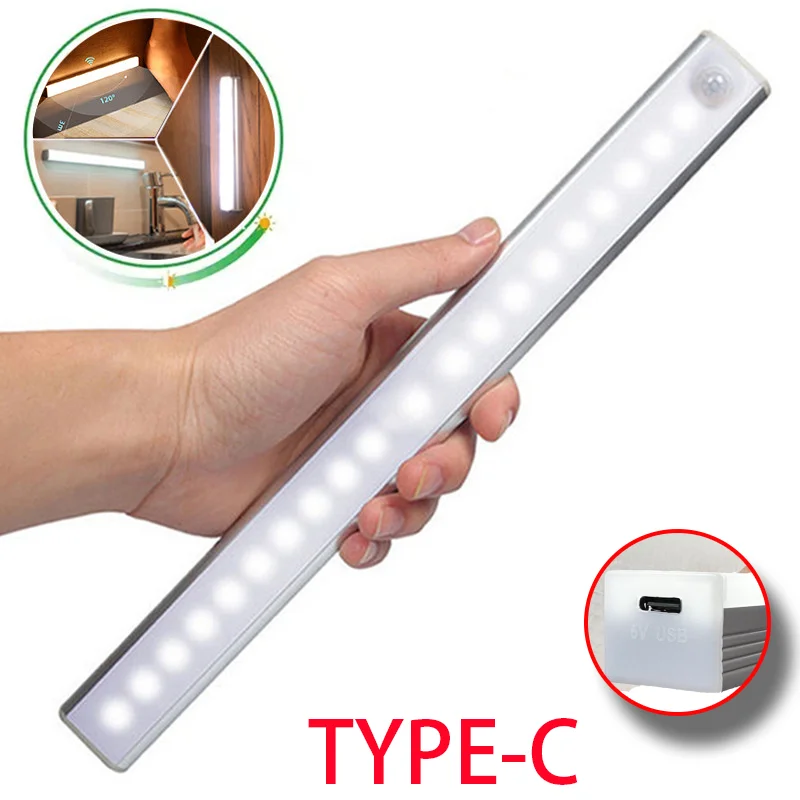
| Rechargeable Strip Light | Under cabinets, stairs | 1-3 months | Magnetic, adhesive |
Each type has its strengths. For example, a puck light is great for tight spaces, while a plug-in model is ideal if you don’t want to worry about batteries. Outdoor models usually have extra weatherproofing.
How To Choose The Right Motion Sensor Night Light
Finding the right night light depends on your needs, space, and preferences. Here’s a quick way to compare what matters most:
| Feature | Why It Matters | When to Prioritize |
|---|---|---|
| Battery life | Less frequent changing | Hard-to-reach areas |
| Brightness | Enough light for safety | Hallways, stairs |
| Light color | Sleep-friendly, less harsh | Bedrooms, kids’ rooms |
| Mounting style | Easy installation | Rentals, changing locations |
| Weather resistance | Outdoor durability | Porches, garages |
Pro Tip: If you’re not sure, start with one or two lights in key locations like your hallway or bathroom. Test them for a week. You’ll quickly notice if you need more brightness, longer battery life, or a different mounting option.
Credit: www.aliexpress.com
Practical Tips For Installing And Using Motion Sensor Night Lights
Placement Matters
Place the light where it will sense movement, but not too close to beds (to avoid waking someone with accidental triggers). For stairs, position lights at the base and top steps. In bathrooms, put the light near the door so it activates before you enter fully.
Avoid Common Mistakes
- Don’t place the sensor facing a heat source or window, as sunlight or heaters may trigger it.
- Avoid mounting lights near pets’ favorite spots, constant activation can drain batteries quickly.
- If you use adhesive, clean the surface first so the light sticks well.
Battery Maintenance
Check batteries every few months, especially in safety-critical spots. Rechargeable models are convenient, but remember to top them up as needed.
Combine With Smart Home Devices
Some models can connect with smart home systems. For example, you can use them to trigger other devices, like turning on a main light if more movement is detected. However, these features usually cost more and may need Wi-Fi or Bluetooth.
Real-world Example: Improving Home Safety
A homeowner in a two-story house noticed frequent trips to the bathroom at night. By installing motion sensor lights on the stairs and hallway, they reduced the risk of falling. The lights used less than $5 worth of batteries per year and lasted several months without maintenance.
The family also found the gentle light less disruptive to sleep than bright ceiling lights.

Credit: www.amazon.com
Environmental Impact And Cost Savings
LED lights are known for their low energy use. According to the U.S. Department of Energy, LEDs use up to 75% less energy than traditional incandescent bulbs and last 25 times longer (U.S. Department of Energy). Because motion sensor night lights only turn on when needed, they save even more energy and money over time.
Wireless models avoid the need for extra wiring, which reduces both installation costs and waste. The batteries used are often standard (AA or AAA), and many brands now offer rechargeable options to reduce landfill waste.
Troubleshooting And Maintenance
Even simple devices sometimes have problems. Here are common issues and how to fix them:
- Light not turning on: Check or replace the batteries. Make sure the sensor isn’t blocked by dust or objects.
- Light stays on too long: Adjust the timer if your model allows it. Check that there isn’t constant movement in the sensor’s range (like pets or curtains moving).
- Light too dim: Use new batteries, or choose a brighter model for your space.
- Frequent false triggers: Move the light away from heat sources, mirrors, or areas with lots of airflow.
If your light is still under warranty, contact the manufacturer for support. Many offer replacements if the device fails within the first year.

Credit: www.ezvalo.com
Integrating Motion Sensor Night Lights With Home Decor
Wireless motion sensor night lights come in many styles and finishes, including sleek white or black plastic, brushed metal, or even wood accents. Some are designed to blend into walls, while others offer a decorative touch. Choose a style that matches your decor, especially for visible areas like hallways or living rooms.
For children’s rooms, some night lights come with fun shapes or gentle glowing effects. You can find models shaped like stars, animals, or even cartoon characters, making them less intimidating for kids.
Advanced Options: Smart Features And Upgrades
While most motion sensor LED night lights are simple, some newer models include advanced features:
- Dimmable LEDs: Adjust the brightness depending on the time or your needs.
- Color-changing lights: Set a soothing blue for sleep or a brighter white for safety.
- Rechargeable batteries: Save money and reduce waste.
- Smart connectivity: Some lights connect to apps or smart home systems, letting you set schedules or check battery status.
These features often come at a higher price, but they can be worth it for tech lovers or specific needs.
When Not To Use Motion Sensor Night Lights
There are situations where these lights are not the best choice:
- If you need light for long periods (like reading), motion sensor models may turn off too soon.
- In rooms with lots of motion (like kitchens during busy times), the lights may cycle on and off too often.
- For high-temperature or wet areas, make sure to choose models rated for those environments.
Comparison: Motion Sensor Vs. Regular Night Lights
Understanding the difference can help you make the right choice for your home.
| Feature | Motion Sensor Night Light | Regular Night Light |
|---|---|---|
| Turns On/Off | Automatic (motion) | Manual or dusk-to-dawn sensor |
| Energy Use | Very low (only when needed) | Constant (all night) |
| Installation | Wireless, flexible | Usually plug-in or wired |
| Best Use | Hallways, stairs, bathrooms | Bedrooms, nurseries |
Motion sensor night lights are ideal for areas where you need light only when moving, while regular night lights are better for continuous, gentle