

Outdoor lighting has changed a lot in recent years. More homeowners and businesses now choose LED solar lamp path staircase outdoor waterproof wall lights. These compact yet powerful lights offer a blend of energy efficiency, safety, and style. Whether you want to light up a garden path, stairway, or exterior wall, these solar-powered LEDs provide a smart solution. They are especially popular for people who want to reduce electricity bills and avoid complex wiring. Let’s explore what makes these lights stand out, how to choose the right ones, and how to get the most from your outdoor lighting.
What Are Led Solar Lamp Path Staircase Outdoor Waterproof Wall Lights?
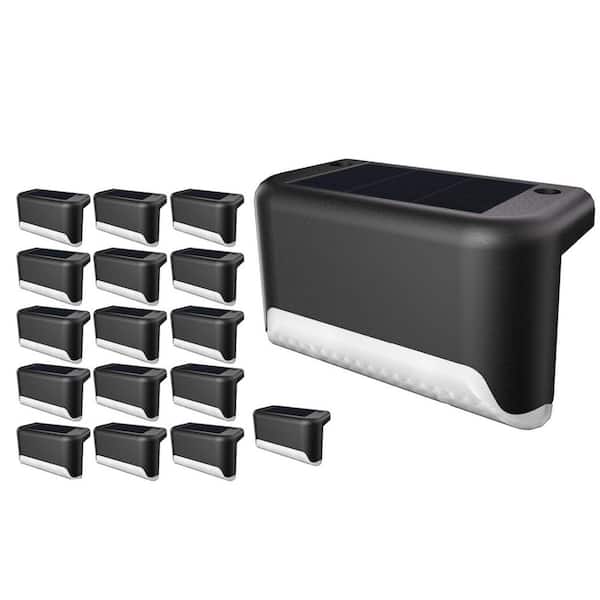
These lights are designed for outdoor use, combining several key features. They use LED technology for bright, efficient lighting. Each unit has a built-in solar panel that charges during the day and powers the light at night. The design is typically slim and easy to mount on walls, fences, staircases, or along paths. Being waterproof, they can handle rain, snow, and changing temperatures.
Key components include:
- Solar panel: Captures sunlight and converts it to electricity.
- Rechargeable battery: Stores energy for use at night.
- LED bulbs: Provide long-lasting, efficient light.
- Waterproof casing: Protects the inside from weather.
- Mounting hardware: Screws, brackets, or adhesives for easy installation.
These lights are often used to make outdoor spaces safer by illuminating dark steps or walkways. They also add a decorative touch to homes, gardens, and commercial properties.
Why Choose Solar-powered Led Outdoor Wall Lights?
Switching to solar-powered LED lights offers several advantages over traditional options.
Energy Savings
Solar LEDs run entirely on sunlight, so they do not add to your electricity bill. Over time, this leads to significant savings, especially if you have many lights.
Easy Installation
Since these lights do not require wiring, you can install them almost anywhere. You only need a spot with good sunlight. This makes them ideal for areas far from electrical outlets or where trenching wires would be difficult.
Safety And Security
Bright outdoor lighting helps prevent accidents on stairs and paths. It also deters trespassers and makes homes feel safer at night.
Low Maintenance
LED bulbs last for years, and the solar panels require little attention. Most units only need an occasional wipe to keep the panel clean.
Eco-friendly
By using solar energy, you lower your carbon footprint. There are no emissions, and less energy is wasted compared to old-style bulbs.
Pro Tip: Place your solar lights where they get sunlight for at least 6-8 hours daily. Avoid shady spots under trees or eaves, as this will reduce their effectiveness.
Key Features To Look For
Not all LED solar lamp path staircase outdoor waterproof wall lights are the same. Here are important features to consider before buying:
Brightness (lumens)
Brightness is measured in lumens. For paths or stairs, 20-100 lumens per light is usually enough. If you want to light a larger area, look for models with higher lumens.
Battery Capacity
A bigger battery means longer lighting hours at night. Check the battery’s milliamp-hour (mAh) rating. Around 800-1200mAh is typical for small wall lights.
Solar Panel Quality
High-quality panels charge faster, even on cloudy days. Monocrystalline panels are more efficient than polycrystalline ones.
Lighting Modes
Some models offer different modes, such as always-on, motion-activated, or dimming at dawn/dusk. Motion sensors are great for saving battery and boosting security.
Waterproof Rating
Check the IP rating (Ingress Protection). For outdoor use, look for IP65 or higher. This ensures the light will resist rain, dust, and snow.
Material And Design
Choose rust-resistant materials like ABS plastic, aluminum, or stainless steel. Design matters too, some lights are more decorative, while others focus on function.
Installation Options
Some lights screw into surfaces, while others use adhesive or magnetic mounts. Consider what works best for your space.
Warranty And Support
A good warranty shows that the manufacturer stands behind their product. Look for at least one year of coverage.
Typical Applications And Placement Ideas
These solar lights are very flexible and can be used in many ways:
- Staircases: Place on the side of steps for safety.
- Garden paths: Mark walkways to prevent tripping.
- Decks and patios: Add soft lighting for outdoor dining.
- Driveways: Guide cars safely at night.
- Fences or walls: Highlight property edges or decorative features.
- Entrances: Illuminate doors for better visibility.
Example: In my experience, placing these lights along a dark backyard staircase made it much safer for family and guests. The lights turned on automatically at dusk, and the motion sensor boosted brightness when someone approached.

Credit: www.amazon.com
Comparing Led Solar Outdoor Wall Lights
To help you see the differences between popular models, here’s a sample comparison:
| Model | Brightness (Lumens) | Battery Capacity (mAh) | IP Rating | Lighting Modes |
|---|---|---|---|---|
| EcoBright Pro | 60 | 1000 | IP65 | Always On, Motion |
| SunGlow Mini | 40 | 800 | IP66 | Motion Only |
| PathSafe Ultra | 100 | 1200 | IP67 | Always On, Dim, Motion |
Different models focus on different needs. For example, PathSafe Ultra is better for large steps or wide paths, while SunGlow Mini suits narrow walkways.
How To Install Led Solar Staircase And Path Lights
Installing these lights is usually simple. Here’s a step-by-step guide:
- Choose a location with direct sunlight most of the day.
- Mark the spots where you want to place each light.
- Attach mounting hardware (screws or adhesive) as directed.
- Mount the light securely.
- Test the light after installation to ensure it charges and lights up.
Practical Tips
- If using screws, pre-drill holes to avoid splitting wood or cracking masonry.
- Clean the solar panel with a damp cloth every few weeks.
- If you install lights near walkways, angle them slightly down for better coverage.
Warning: Do not install solar lights under roof eaves or dense foliage. These areas get less sunlight, so the battery may not charge fully.
Common Mistakes To Avoid
Even though installation is easy, some users make mistakes that reduce performance.
Placing In Shade
Solar panels need sunlight. Avoid areas shaded by trees, buildings, or decorative covers.
Using Cheap Adhesives
Some lights come with sticky pads, but they may not last in rain or snow. Screws or weather-resistant adhesives are safer for long-term use.
Ignoring Ip Rating
Not all “waterproof” lights are equally protected. A low IP rating may lead to water damage.
Overlooking Battery Replacement
Most batteries last 1-3 years. If your lights get dim, check if the battery can be replaced.
Real-world Examples Of Use
Different people use these lights in creative ways:
- Homeowners: Light up backyard steps for evening parties.
- Businesses: Add safety lights to parking lot staircases.
- Landlords: Install along rental property walkways to reduce accident risk.
- Gardeners: Highlight flower beds or stone paths with soft, warm LEDs.
Some users also use these lights for holiday decoration, placing them around patios or driveways for extra cheer.
Maintenance And Troubleshooting
While LED solar outdoor wall lights need little care, some maintenance can extend their lifespan.
Cleaning
Dust, dirt, or bird droppings can block sunlight. Wipe the solar panel with a soft, damp cloth every month.
Checking Batteries
If a light stops working, the battery might be drained or old. Some models let you replace the battery easily.
Inspecting Mounts
Wind, rain, and snow can loosen mounts. Check each light every few months and tighten screws if needed.
Winter Use
Most lights work fine in cold weather, but snow can block the panel. Clear snow or ice as needed.
Environmental Benefits
Switching to solar-powered lights has a positive effect on the environment.
Energy Efficiency
LEDs use up to 90% less energy than old incandescent bulbs. Solar power means zero grid electricity, reducing fossil fuel use.
Lower Carbon Footprint
By lighting outdoor spaces with solar, you help cut greenhouse gas emissions. Every small change helps, especially if many households make the switch.
No Light Pollution
Many solar lights have shields or focused beams, so they only light the area needed. This reduces light pollution that can disrupt wildlife or neighbors.

Credit: nooklights.com
Cost Considerations
The price of LED solar wall lights varies, but they are often cheaper to own over time.
Upfront Cost
A basic set of four lights can cost $20, $50. Higher-end models with motion sensors or higher lumens may cost more.
Operating Cost
There is no electricity cost, so you save money every month.
Long-term Value
LEDs last up to 25,000 hours, so you rarely need to replace bulbs. Solar panels and batteries usually last 2-5 years.
| Expense Type | Traditional Outdoor Lights | Solar LED Wall Lights |
|---|---|---|
| Initial Cost | Low to Medium | Medium |
| Installation | Wiring, labor needed | DIY, no wiring |
| Electricity Bill | Ongoing | Zero |
| Maintenance | Bulb changes, wiring | Panel cleaning, battery |
Over a few years, solar lights are usually the more affordable choice.
Design And Aesthetic Options
Modern solar wall lights come in many styles. You can find:
- Minimalist designs: Slim, simple shapes that blend into the background.
- Classic lanterns: Add a decorative touch to gardens or patios.
- Hidden fixtures: Lights that tuck under steps or railings.
- Color options: Choose warm white, cool white, or even RGB colors for special effects.
Some units even allow you to change the color or brightness with a remote.
How To Choose The Right Product
Before buying, consider these steps:
- Measure your space: How many lights do you need? How far apart will you place them?
- Decide on brightness: Soft light for decoration, or bright light for safety?
- Check sunlight: Make sure your chosen locations get enough sun.
- Look for good reviews: Read what other users say about battery life, durability, and brightness.
- Choose reputable brands: Known brands often offer better warranties and support.
Solar Lighting Trends For Outdoor Spaces
Outdoor lighting is evolving as technology improves. Here are some trends:
Smart Solar Lights
Some new models connect to smart home systems. You can adjust brightness, color, or schedule lights from your phone.
Integrated Motion Sensors
Motion-activated lights save battery and add security. They only turn on when someone is near.
Decorative Patterns
Manufacturers now offer solar lights with laser-cut patterns, creating unique shadows or light shapes on walls and paths.
Sustainability Focus
More brands use recycled materials for the casing and packaging, making the entire product greener.
Credit: www.homedepot.com
When Solar Lights May Not Be Enough
Solar LEDs are great for most outdoor needs, but they have limits.
- Deep shade: If your area never gets sunlight, solar is not the best option.
- Very high brightness needs: For security floodlights or commercial lots, you might need wired solutions.
- Very cold climates: Some batteries lose efficiency below freezing, though some models use special batteries for cold weather.
If you face these challenges, consider mixing solar with wired or battery-powered lights.
Common Questions Before Buying
People often ask:
- How long do these lights last each night? Most run 6-10 hours after a full charge.
- Can I use them indoors? Only if they get strong sunlight through a window.
- Will they work in winter? Yes, but shorter daylight means less charging time.
- How durable are they? Look for IP65 or higher for best durability.
- Do they attract insects? Warm white LEDs attract fewer bugs than traditional bulbs.
Case Study: Community Pathway Lighting
A small neighborhood wanted to light a shared walking path. Residents chose solar LED wall lights to avoid trenching wires and higher energy bills. After installation, the path was safer at night, and there were fewer trip-and-fall accidents. Residents also noticed lower electric bills for common areas.
This example shows how solar LEDs can be a smart choice for group projects, not just single homes.
Maintenance Checklist
Keep your lights working their best:
- Clean solar panels monthly.
- Check battery life yearly.
- Tighten mounts as needed.
- Replace any damaged units quickly.
A few minutes of care each season will keep your outdoor space bright and safe.
Future Outlook For Solar Outdoor Lighting
Solar technology is improving quickly. Panels are getting more efficient, batteries last longer, and LEDs are brighter. In a few years, solar lights will likely match wired lights in performance. More cities also use solar for public paths and parks, reducing costs and pollution.
To learn more about solar power and its impact on the environment, see this Wikipedia article on solar energy.
Frequently Asked Questions
How Do I Know If My Solar Light’s Battery Needs Replacing?
If your light gets dimmer or stops working even after sunny days, the battery may be old. Many units let you open the case and swap the battery. Check your manual for instructions.
What Should I Do If My Solar Light Gets Water Inside?
Remove the light and let it dry completely. Clean out any dirt or moisture. Make sure the seal is intact before reinstalling. For extra safety, check for corrosion on the battery or contacts.