

A sparkling clean home or workspace feels welcoming and comfortable. However, many cleaning products promise a lot but deliver less: streaks on glass, sticky residues on surfaces, or even a harsh chemical smell that lingers. If you’ve ever wished for a cleaner that leaves surfaces truly spotless and is easy to use, you are not alone. The all purpose foaming rinse cleaner is gaining popularity as a practical solution for people who want a streak-free and residue-free clean, and for good reason.
This article explains what makes these cleaners unique, how they work, which surfaces they suit, and why so many people are making the switch. We’ll also compare them to other products, highlight common mistakes, and answer practical questions. Whether you clean every day or only when you must, understanding these products can make the job faster, easier, and more satisfying.
What Is An All Purpose Foaming Rinse Cleaner?
An all purpose foaming rinse cleaner is a cleaning product designed for use on many types of surfaces. The key feature is the foam: when sprayed, the liquid transforms into a thick, bubbly layer. This foam sticks to surfaces longer than traditional sprays, helping to break down dirt, grime, and grease. After a short wait, you can wipe or rinse the surface clean, leaving no streaks or sticky residue behind.
Most formulas are gentle enough for daily use and safe on materials like glass, tile, metal, plastic, and even some fabrics. Unlike some harsh cleaners, these products are often pH-balanced and free from strong chemicals that can damage surfaces or leave marks.
Example: Imagine cleaning a glass tabletop. With ordinary spray cleaners, you might see streaks or cloudy patches after wiping. A foaming rinse cleaner sticks to the glass, lifts away fingerprints and spills, and rinses clean for a clear, polished look.
Key Benefits Of Foaming Rinse Cleaners
Switching to a foaming rinse cleaner brings several noticeable advantages over traditional cleaning products.
1. Streak-free Shine
Foam cleaners are designed to leave surfaces crystal clear. They evaporate evenly, which helps avoid the streaks that sometimes appear with liquid sprays, especially on glass, mirrors, and stainless steel.
2. No Sticky Residue
Many multipurpose cleaners leave a slight film or stickiness, attracting more dust and making the surface feel unclean. Foaming formulas rinse off completely, leaving nothing behind except a fresh surface.
3. Versatility On Many Surfaces
Because they are gentle and non-abrasive, these cleaners work on:
- Glass and mirrors
- Countertops (stone, laminate, or solid surface)
- Appliances (stainless steel, plastic, enamel)
- Bathroom fixtures
- Car interiors
- Sealed wood
- Tiles and grout
Their versatility means you can often replace several specialty cleaners with one bottle.
4. Easy Application
The foam is visible and clings to vertical surfaces, making it simple to see where you have applied it. This reduces wasted product and ensures even coverage.
5. Efficient Cleaning Action
The bubbles in the foam help to lift and suspend dirt, making it easier to wipe away heavy grime or greasy fingerprints. This can reduce the need for scrubbing and save time.
6. Reduced Chemical Exposure
Many brands offer formulas without harsh chemicals, ammonia, or strong fragrances. This can be safer for children, pets, and anyone with sensitivities.
How Foaming Rinse Cleaners Work
The science behind foaming rinse cleaners is simple but clever. When you spray the product, air mixes with the liquid, creating foam. The bubbles in the foam serve two main purposes:
- Lifting Power: The foam’s bubbles push into cracks and textures, gently lifting dirt, oils, and particles from the surface.
- Controlled Coverage: Because foam stays in place, it covers the target area without running off. This allows for longer “dwell time,” meaning the cleaning agents have more time to break down grime.
After a short wait, usually 30 seconds to a few minutes, you wipe or rinse the foam away, taking the loosened dirt with it. The result: no streaks, no residue, and a surface that is truly clean.
Comparing Foaming Rinse Cleaners To Other Products
To understand what sets all purpose foaming rinse cleaners apart, it helps to compare them with common alternatives like liquid sprays, wipes, and traditional soaps.
Here’s a clear side-by-side comparison:
| Feature | Foaming Rinse Cleaner | Liquid Spray Cleaner | Cleaning Wipes |
|---|---|---|---|
| Streak-Free Finish | Yes | Sometimes | No |
| Leaves Residue | No | Often | Sometimes |
| Surface Suitability | Most surfaces | Varies | Limited |
| Application Control | Excellent | Good | Poor |
| Eco-Friendliness | Often higher | Varies | Low (disposable) |
Pro Tip: If you are trying to reduce waste, choose a foaming rinse cleaner with a refillable bottle or concentrate. This cuts down on packaging and can save money.

Credit: www.amazon.com
Best Uses For All Purpose Foaming Rinse Cleaners
While these products are called “all purpose,” there are situations where they shine especially bright.
Kitchen
Greasy fingerprints on fridge doors, glass stovetops, and messy counters are common in the kitchen. The foam cuts through oils and food splatters, leaving surfaces ready for food prep.
Bathroom
Soap scum and water spots on glass shower doors or chrome fixtures are tough to remove. The foam clings to vertical surfaces, dissolving buildup for a streak-free sparkle.
Windows And Mirrors
Traditional glass cleaners often leave streaks. Foaming cleaners can be wiped or rinsed away, revealing a clear, spot-free shine.
Car Interiors
Dashboard screens, windows, and vinyl trim collect dust and smudges. The foam is gentle enough not to damage sensitive materials and evaporates without a sticky finish.
Electronics And Gadgets
Some formulas are safe for screens, remote controls, and keyboards. Always check the label, but many foaming cleaners are less likely to seep into cracks than runny sprays.
Example: When I tested a foaming rinse cleaner on my car’s touchscreen, it removed fingerprints instantly and dried without smears, something traditional wipes never managed.
How To Use Foaming Rinse Cleaners Effectively
Using these cleaners is simple, but a few steps can help you get the best results:
- Shake the bottle if the instructions suggest. This ensures a consistent foam.
- Spray directly onto the surface, holding the bottle about 6, 8 inches away.
- Let the foam sit for up to a minute. For heavy dirt, give it more time.
- Wipe with a clean cloth or rinse with water, depending on the surface.
- Buff dry with a microfiber towel for a high-gloss finish.
Warning: Always check the product label for surfaces that are not recommended, such as unfinished wood or delicate fabrics. Test on a small, hidden area first.
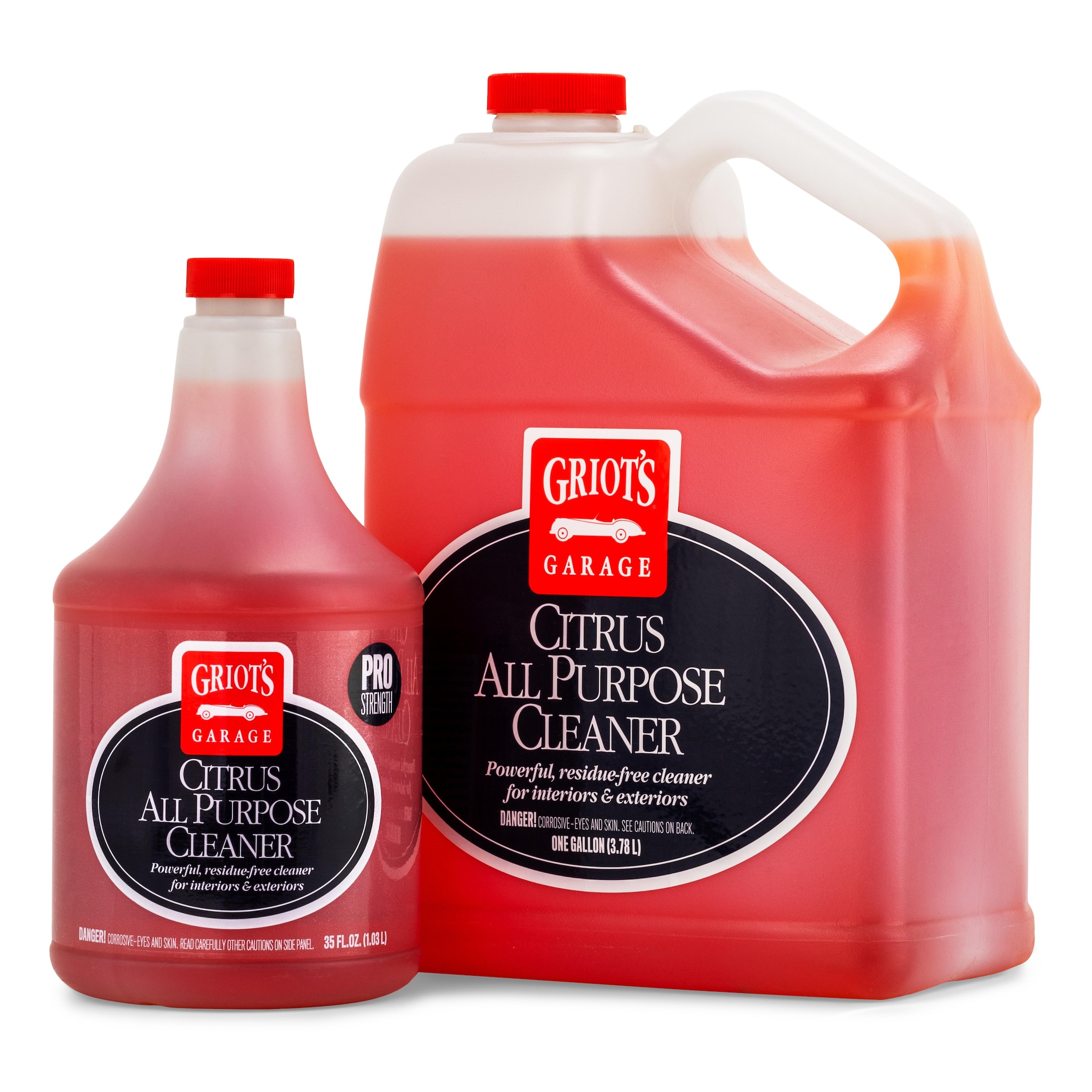
Credit: www.autozone.com
Common Mistakes To Avoid
Even the best cleaner won’t perform well if used incorrectly. Here are mistakes people often make, and how to avoid them:
Overusing Product
Foam is efficient, so a little goes a long way. Using too much can waste product and may even make rinsing harder.
Skipping The Wait Time
The foam needs time to break down grime. Wiping too soon can leave dirt behind.
Using The Wrong Cloth
Paper towels can leave lint, and colored rags might transfer dye. Use a white microfiber cloth for best results.
Ignoring Rinsing On Food Surfaces
Even residue-free cleaners should be rinsed from surfaces where you prepare food. This keeps your kitchen safe and flavor-neutral.
Forgetting To Reseal The Bottle
Foaming cleaners can dry out if left open. Always close the nozzle after use.
Environmental Impact And Safety
Many modern foaming rinse cleaners are designed with eco-friendliness in mind. Some advantages include:
- Biodegradable ingredients: These break down naturally, reducing pollution.
- Reduced packaging: Concentrates and refill systems cut down on plastic waste.
- Low VOC (volatile organic compound) content: This helps with air quality indoors.
However, not all products are created equal. Always check for labels like “Safer Choice” or “Green Seal” to identify environmentally friendly options.
Safety Tips
- Keep out of reach of children and pets.
- Store in a cool, dry place.
- Do not mix with other cleaning chemicals, especially bleach or ammonia.
- Ventilate the area if using in a small space.
Pro Tip: Look for unscented or lightly scented options if you are sensitive to fragrances. Some people find that strong smells linger long after cleaning.
Choosing The Right Foaming Rinse Cleaner
There are many brands and formulas to choose from. Here’s what really matters when picking the best cleaner for your needs:
Surface Compatibility
Check that the cleaner is safe for your main cleaning targets, glass, metal, plastic, or fabric. Some products are made for specific uses, like bathroom or kitchen surfaces.
Ingredients
If you have allergies or sensitivities, look for formulas free of dyes, fragrances, and harsh chemicals. Plant-based cleaners are often gentler.
Packaging
Refillable bottles or concentrated formulas help reduce waste. Aerosol cans create foam quickly but are harder to recycle.
Price And Value
Compare the number of uses per bottle, not just the price. Some foaming cleaners are more concentrated, so a small bottle lasts much longer.
Reviews And Recommendations
Read user reviews to see how the product performs in real homes. Sometimes, a product works well in a lab but leaves streaks or odors in everyday use.
Here’s a quick comparison of common packaging options:
| Packaging Type | Pros | Cons |
|---|---|---|
| Spray Bottle | Easy to use, refillable | May drip if not closed tightly |
| Aerosol Can | Creates thick foam, fast | Harder to recycle, less eco-friendly |
| Concentrate + Foamer | Less waste, customizable strength | Requires mixing, more steps |
Pro Tip: In my experience, refillable spray bottles with a foaming nozzle offer the best balance of performance and environmental impact.
Real-world Examples And Practical Advice
Many people switch to foaming rinse cleaners after years of using traditional sprays, especially if they have struggled with streaks or residues on glass and shiny surfaces.
Example: A friend who owns a small cleaning business told me that after switching to a foaming rinse cleaner, they cut down cleaning time in bathrooms by almost a third. The foam stuck to tiles and glass, loosened soap scum quickly, and wiped away without extra rinsing.
Non-obvious Tips Beginners Miss
- Use two cloths for glass: Wipe off the foam with a damp cloth first, then buff with a dry microfiber for a flawless finish. This double-step prevents water spots.
- Check the water hardness: Hard water can leave mineral spots even after using a residue-free cleaner. If you live in a hard water area, dry surfaces quickly to avoid marks.
- Foam in corners: The thick texture of foam means it can be sprayed into corners and edges, places where sprays often run off. Use the nozzle to get into tight spaces.
When Not To Use Foaming Rinse Cleaners
While these products are versatile, they are not perfect for every situation.
- Unsealed wood: Moisture from the foam can cause swelling or staining.
- Delicate fabrics: Check for colorfastness first.
- Electronics with open ports: Use a lightly dampened cloth instead of spraying directly.
If you are unsure, always test the cleaner on a small, hidden spot first.
Are Foaming Rinse Cleaners Worth The Hype?
For many people, switching to a foaming rinse cleaner is a small change that brings big results. If you value speed, ease, and a streak-free, residue-free finish, these products are a smart choice. They are especially helpful for people who dislike cleaning but want professional-looking results.
If you want more technical details about how surfactants and foaming agents work, check out the Wikipedia page on surfactants.
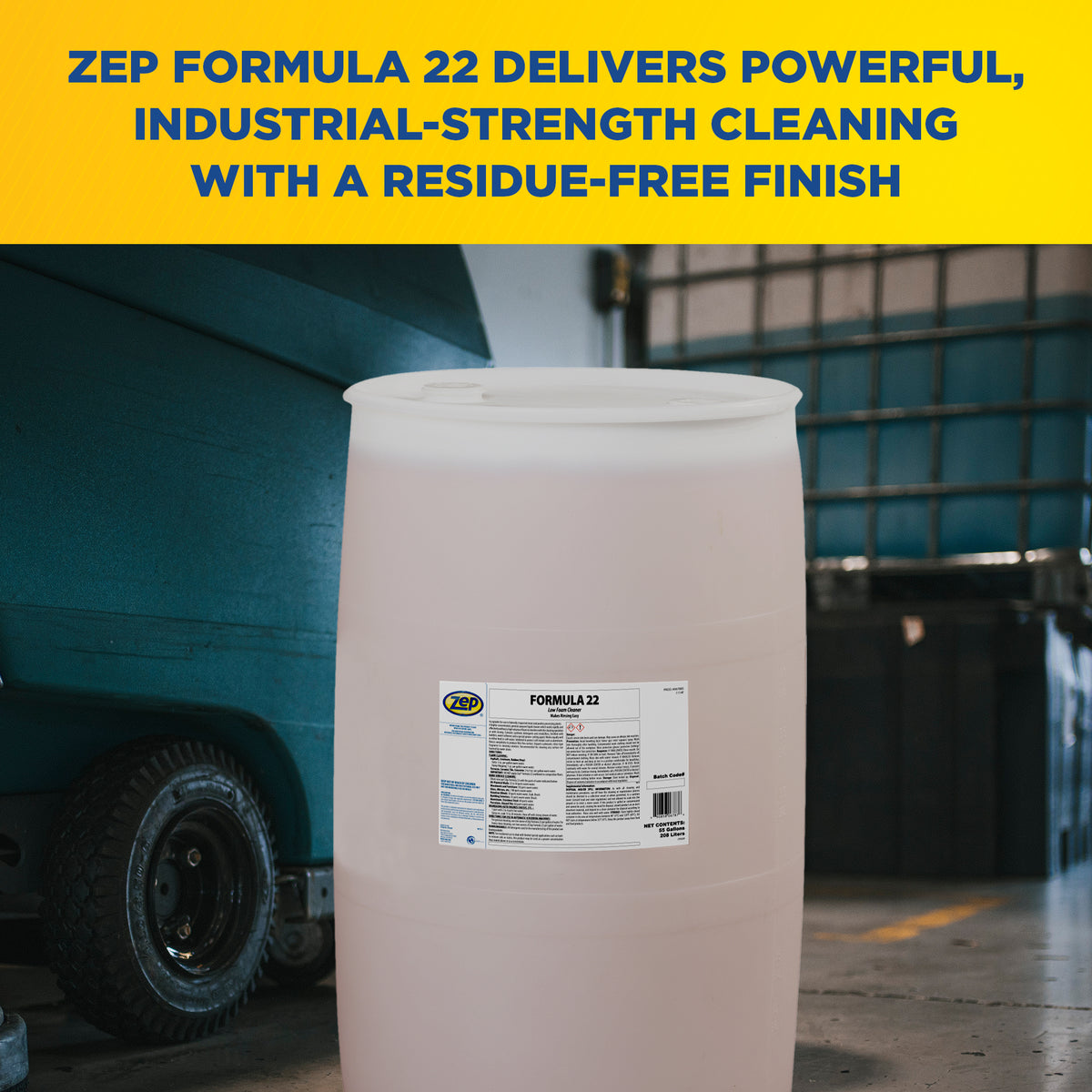
Credit: zep.com
Frequently Asked Questions
What Makes A Foaming Rinse Cleaner Different From Regular Cleaning Sprays?
The main difference is the foam texture. Foam clings to surfaces, giving the cleaning agents more time to work. This leads to better dirt removal and a streak-free finish, especially on glass and vertical surfaces. Regular sprays often run off or evaporate before cleaning is complete.
Can I Use Foaming Rinse Cleaners On Electronics?
Some foaming cleaners are safe for screens and keyboards, but always check the label. Never spray directly into openings or ports. Instead, spray onto a cloth and wipe gently. For sensitive electronics, use only products marked as “safe for electronics.
”
Do Foaming Rinse Cleaners Kill Germs And Viruses?
Not all foaming rinse cleaners have disinfecting properties. To kill germs, look for products labeled as “disinfectant” or “antibacterial. ” These may have additional active ingredients. If you need to sanitize, follow the instructions for contact time and rinsing.
Are Foaming Rinse Cleaners Safe For People With Allergies?
Many brands offer fragrance-free or dye-free formulas, which are better for people with sensitivities. Always review the ingredient list and test on a small area if you are concerned. Some plant-based options are especially gentle.
How Should I Store A Foaming Rinse Cleaner For Best Results?
Store your cleaner in a cool, dry place, away from direct sunlight. Make sure the cap or nozzle is tightly closed to prevent drying out or leaks. If using a concentrate, follow the mixing instructions carefully and use within the